This event is fully booked and the waiting list is closed. However, the symposium can be followed via a livestream. You can register for the online participation and you will receive a link to the livestream several days in advance.
After the symposium, we will organise a Film & Dialogue evening with the screening of Fanon (2024), followed by a dialogue on psychiatry, colonialism and mental health.
Over the past few years, Utrecht University has become increasingly aware of the fact that the colonial past of the Netherlands possibly continues to shape aspects of the production of scientific knowledge today. For that reason, several faculties decided to look into their potential contribution to colonial research and policies. At the UMC Utrecht, a research project was initiated examining the role of the Utrecht Medical Faculty in the colonial past, and its potential implications for modern medicine and Global Health.
On April 13, a symposium is organised on the leading question what needs to be done 'after the comma' (dixit Prime Minister Mark Rutte, on the occasion of his apology on behalf of Dutch government). If and when the Board of the Medical Faculty should decide to apologise for what their predecessors did, what further actions need to be taken? This symposium brings together researchers, historians, and other experts to reflect on the facts and consider measures to restore science and justice.
Programme
| 9:30 | Welcome | |
| 10:00 | Imbalanced history as useful history | Dr Frank Gerits |
| 10:50 | The health effects of slavery: On the impact of the Transatlantic slave trade and slavery on the health of descendants and health care | Dr Alana Helberg-Proctor |
| 11:40 | Health aspects of indentured labor migration and the impact of colonialism on the descendants of indentured laborers | Dr Maurice Hassankhan |
| 12:25 | Lunch | |
| 13:25 | Object and Subject: Colonial medical collection and colonial epistemes | em. Prof. Dr. Susan Legêne |
| 14:15 | Entangled histories: Utrecht Medical Faculty and global colonial networks | Dr Gani Jaelani |
| 15:00 | Break | |
| 15:30 | Teaching the colonial past: Cultivating historical consciousness in health professions education | Dr Judith van de Kamp |
| 16:20 | Panel discussion | |
| 17:00 | Closure |
Presentations
Imbalanced history as useful history
Dr Frank Gerits, Utrecht University
Research on the colonial past is often characterised by a call for balance and by the idea that both the positive and negative aspects of that past should be highlighted. In the colonial context, for example, there was racism, but healthcare was also provided.
Such historiography, although understandable, appears problematic from a historian's perspective, because it often fails to explain the how and why of that past. Balance approaches tend to be one-sided and overlook the broader contexts in which people lived; they contain anachronistic elements; they underestimate the fundamental role of ideology in people's lives; and they are not grounded in critical historical analysis.
In my presentation, I will address these four problems of the balance approach and explain why a meaningful history of the colonial past is not about finding the right balance, but about providing meaningful explanations of that past.
The health effects of slavery: On the impact of the Transatlantic slave trade and slavery on the health of descendants and healthcare
Dr Alana Helberg-Proctor, PhD, MScPH, University of Amsterdam
In recent years, there has been growing attention in the Netherlands to how the colonial era and the history of slavery continue to shape our present-day society. The Dutch Ministry of Health, Welfare and Sport commissioned a study specifically examining the legacy of Dutch transatlantic slavery on the health of descendants of enslaved people.
The University of Amsterdam conducted a literature review and consulted around thirty experts from Dutch academia, the healthcare sector, and civil society. The study shows that descendants are, in a sense, “doubly burdened”: they carry experiences and effects inherited from ancestors who lived through slavery, while also often facing racism and discrimination in contemporary Dutch society.
Health aspects of indentured labor migration and the impact of colonialism on the descendants of indentured laborers
Dr Maurits Hassankhan, Anton de Kom University / National Institute of History and Culture
When indentured labour was introduced, expectations were quite high among the plantation owners and colonial governments at the one hand, and among the workers at the other hand. The goal for the colonial authorities and the planters was to save the plantations for destruction after the abolition of slavery. Although the emancipated slaves were forced to continue working for their former owners or employers for years to come. Despite this the production declined. British authorities and entrepreneurs initially faced a dilemma: Was it appropriate to introduce indentured labor within the free market economy system in which workers would be bound by a contract to work for an employer for an extended period.
Economic factors led to the introduction of indentured labor, despite protests from the Anti-Slavery society, because the production of sugar and other export products declined, which meant a loss of capital for the planters and society in the metropolitan countries. After a period of experimentation, the decision was made to continue with indentured labor because the results were positive and regulations were introduced to minimize abuses.
In my presentation, I will provide an impression of the living and working conditions of the indentured labourers, focusing on whether and to what extent the migration of indentured labourers was beneficial for them and their descendants. Health aspects will also be addressed.
Questions that arise include:
Were they generally better off or worse off in their new situation as indentured labourers? How was their material and immaterial well-being? What was their mental and physical health like? How did they experience the separation from the loved ones they had left behind?
I will end my presentation with a recommendation the Netherlands has a moral obligation to help address certain contemporary problems, that belong to the consequences of the colonial past of the Netherlands.
For this we need collaboration between institutes, organizations and individual actors on both sides of the ocean, because we not only have a common past, but also a shared future.
Object and Subject: Colonial medical collections and colonial epistemes
em. Prof. Dr. Susan Legêne, Em. professor of political history, VU University Amsterdam, member management team Pressing Matter
This contribution starts from experiences within the programme Pressing Matter (2020-2025), initiated by Wayne Modest and the World Museum and funded by the National Science Agenda (NWA). Pressing Matter focused on collections in the Netherlands acquired in colonial contexts. This was possible thanks to the project's firm embedding within four universities, the NIOD Institute for War, Holocaust and Genocide Studies, eight museums - including the university museums in Groningen and Utrecht and Museum Vrolik - and social initiatives such as Framer Framed, Imagine IC and artist interventions in the museums involved. In this lecture, Legêne will elaborate on the concept of ‘colonial epistemology’ and the research methods that have emerged from colonial social contexts, such as prisons, hospitals, expeditionary studies and administrative practices. What do these contexts tell us about the distinction between (colonial) subjects and (cultural) objects? And what challenges do university museums and medical historians face in addressing these distinctions?
Entangled histories: Utrecht Medical Faculty and global colonial networks
Dr Gani Jaelani, UMC Utrecht
In this presentation, I will situate the Utrecht Medical Faculty-both as an institution and through the individuals connected to it-within the broader context of global colonialism. As an institution, it never operated in isolation; it was always entangled with other colonial structures. The same applies to the individuals linked to it. Students trained in Utrecht often built their careers elsewhere in the empire, while professors appointed in Utrecht frequently brought with them training and experience from other colonial or metropolitan institutions. In both cases, the development of Utrecht's involvement in colonial medicine can only be understood through these wider institutional connections. By emphasizing this, I argue that the Utrecht Medical Faculty's role must be seen as part of a larger web of colonial entanglements that linked multiple institutions across the empire.
Teaching the colonial past: Cultivating historical consciousness in health professions education
Dr Judith van de Kamp
In this session, we explore the role that higher education institutions (HEIs) can play in responding to their colonial past “after the comma,” particularly through education. As research increasingly uncovers the historical entanglements of medical institutions with colonialism and slavery, an important question arises: how can these insights be translated into meaningful educational practice?
The session addresses the need to move beyond the transmission of historical knowledge. How can we help students develop historical consciousness and recognise how historically shaped power relations continue to influence healthcare interactions today? The session discusses didactic principles for developing such education, shares emerging initiatives at the University Medical Center Utrecht, and invites participants to exchange ideas on how education can contribute to addressing colonial legacies in healthcare.
Speakers
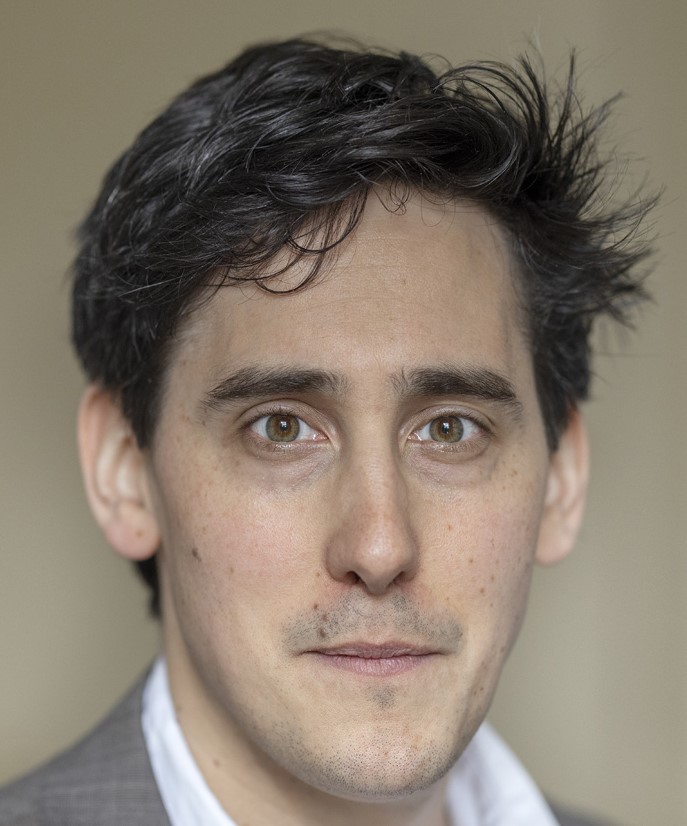
Dr Frank Gerits is associate professor of International History at Utrecht University and Research Fellow at the International Studies Group at the University of the Free State in Bloemfontein, South Africa. He received his PhD from the European University Institute in 2014 and subsequently held positions at New York University, the University of the Free State and the University of Amsterdam. His first book, The Ideological Scramble for Africa: How the Pursuit of Anticolonial Modernity shaped a Postcolonial Order, 1945-1966, was published in 2023. He is currently working on a new monograph entitled Climate Change: An International Political History and to a project funded by the Netherlands Organisation for Scientific Research (NWO), entitled Moral Empire: Belgium and the Global South (1830-2022).
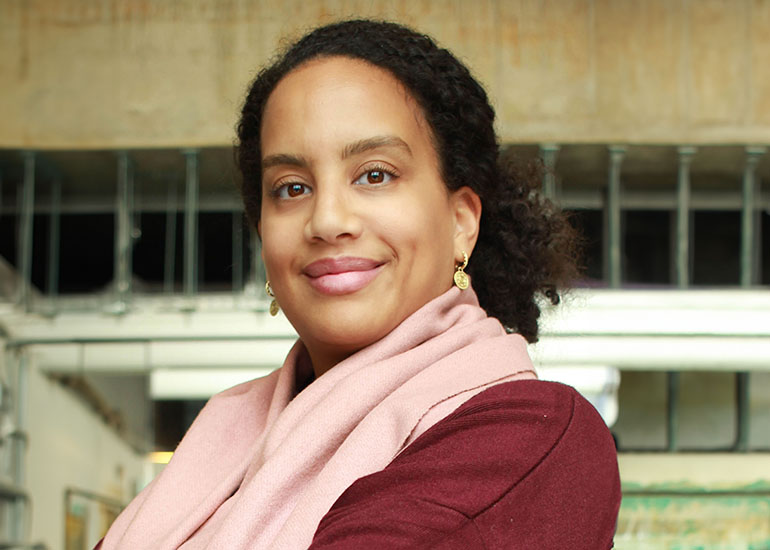
Dr Alana Helberg-Proctor is an interdisciplinary social scientist and associate professor of anthropology at the University of Amsterdam. Her research focuses on diversity and (im)equality in contemporary and historical health care and medical science, with a specific focus on ‘race’ and ‘ethnicity’ in biomedical research, policy and care in the Netherlands and Europe. In 2025, she conducted research for the Ministry of Health, Welfare and Sport on the impact of the transatlantic colonial past and slavery in the health of descendants and the Dutch healthcare system. She is also involved in the KNAW's KMK consortium researching colonial history.
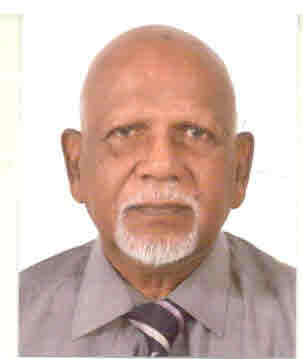
Dr Maurice Hassankhan is a historian and former associate professor at the Anton de Kom University of Suriname. The grandson of Indian contract workers, he grew up in a farming family in a rural area south of Paramaribo. He studied history at the University of Groningen and returned to his native country shortly before Suriname's independence in 1975. His research interests include the history of Suriname, contract labour, ethnic relations and democracy in multi-ethnic societies. Besides his academic career, he held several public positions, including member of the Surinamese Parliament and Minister of the Interior. He is currently attached to Anton de Kom University and director of the National Institute for History and Culture.
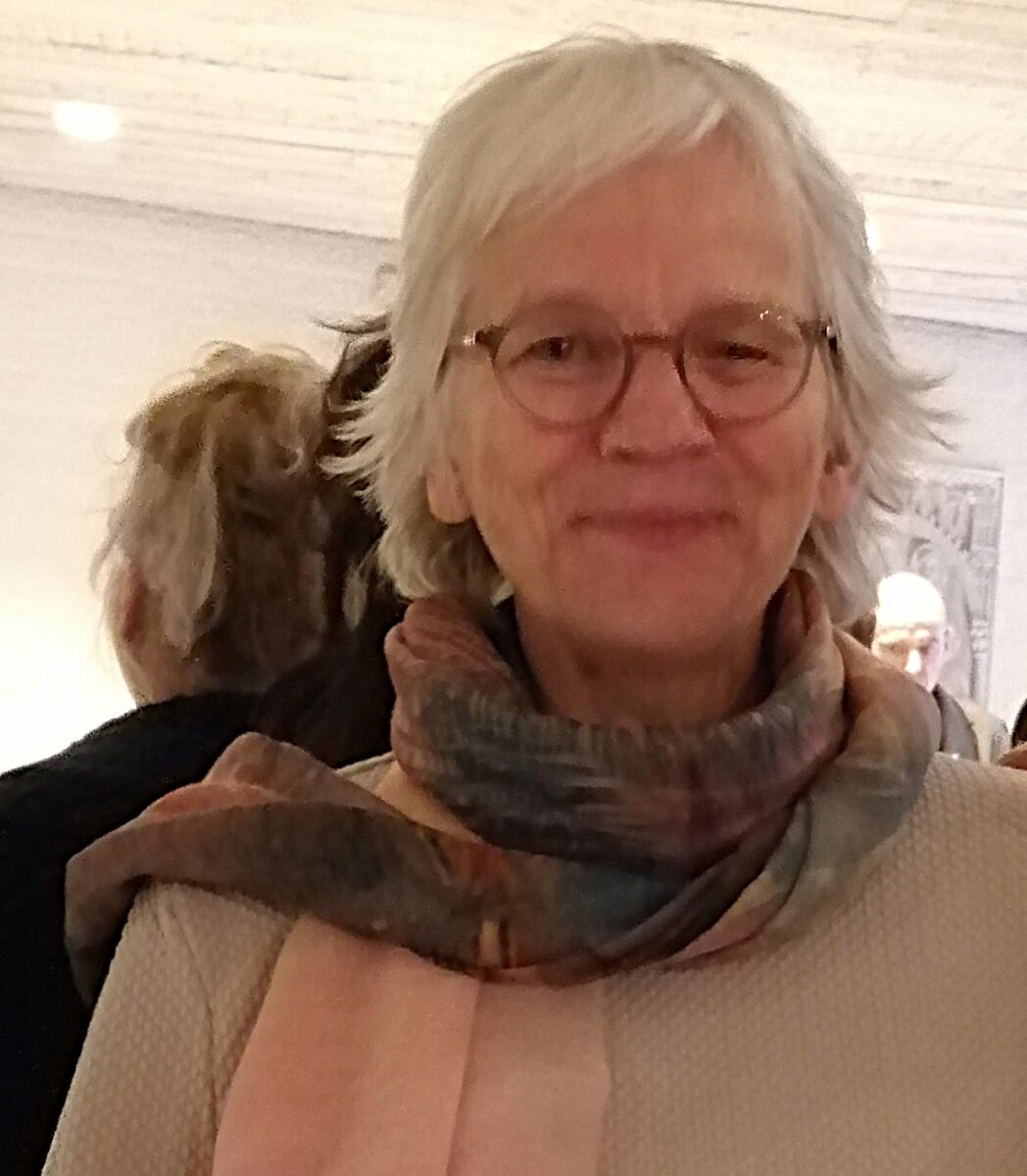
em. Prof. Dr. Susan Legêne is Emeritus Professor of Political History at VU University Amsterdam. She was a member of the management team of Pressing Matter: Ownership, Value and the Question of Colonial Heritage in Museums (2021-2025), funded by the Netherlands Science Agenda. Her main focus is on the history of European colonialism, decolonisation and mechanisms of inclusion and exclusion within European citizenship. In her farewell speech at the Vrije Universiteit Amsterdam (20 February 2026), (No) Peace with the Past - Politics of History Today, she argues that the past is not a refuge, time shelter or consolation, but a deep and rich contemporary source for dialogue and decision-making.
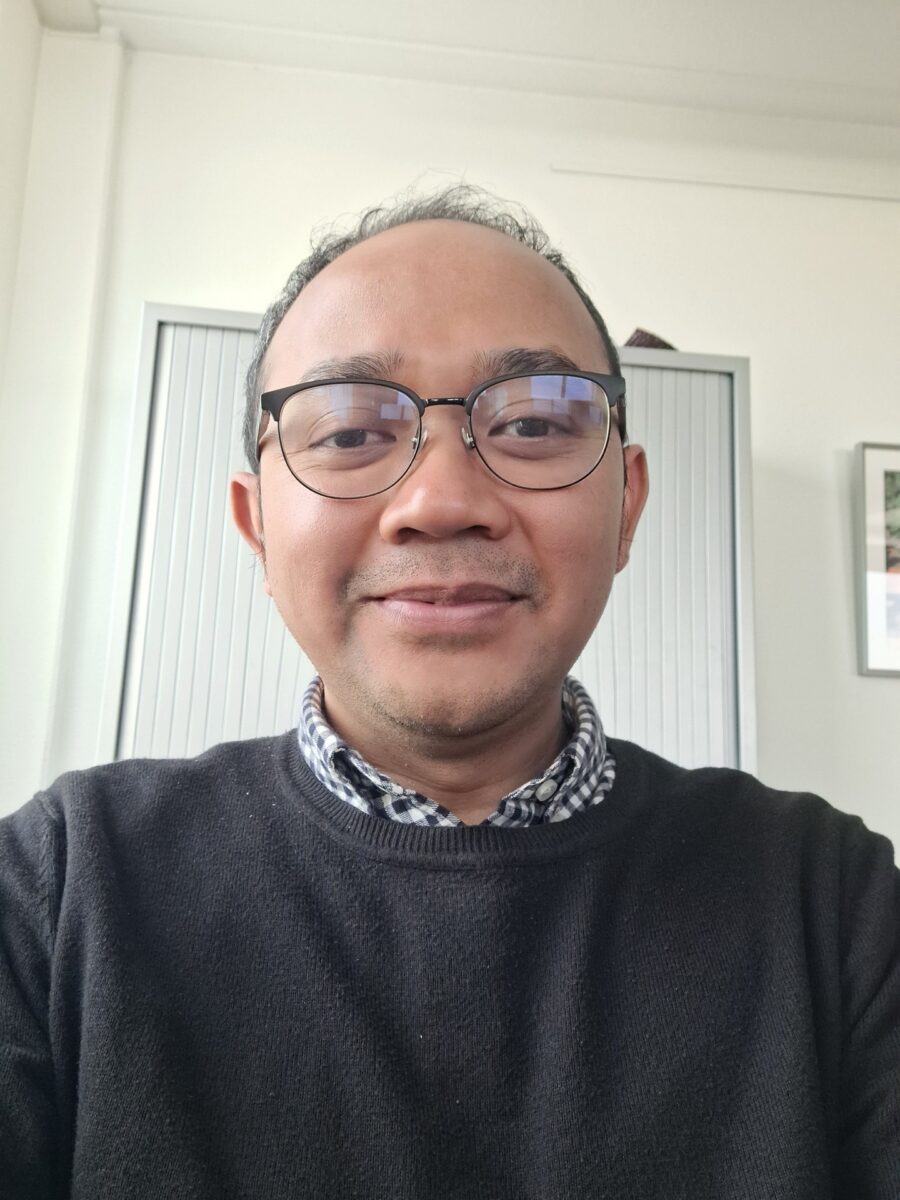
Dr Gani Jaelani is a historian specialising in colonial medicine and science of the nineteenth and twentieth centuries. He is an associate professor at the Department of History and Philology of Universitas Padjadjaran in Indonesia. He currently works as a postdoctoral researcher at UMC Utrecht, where he researches the legacy of the Utrecht medical faculty in the Dutch colonies.
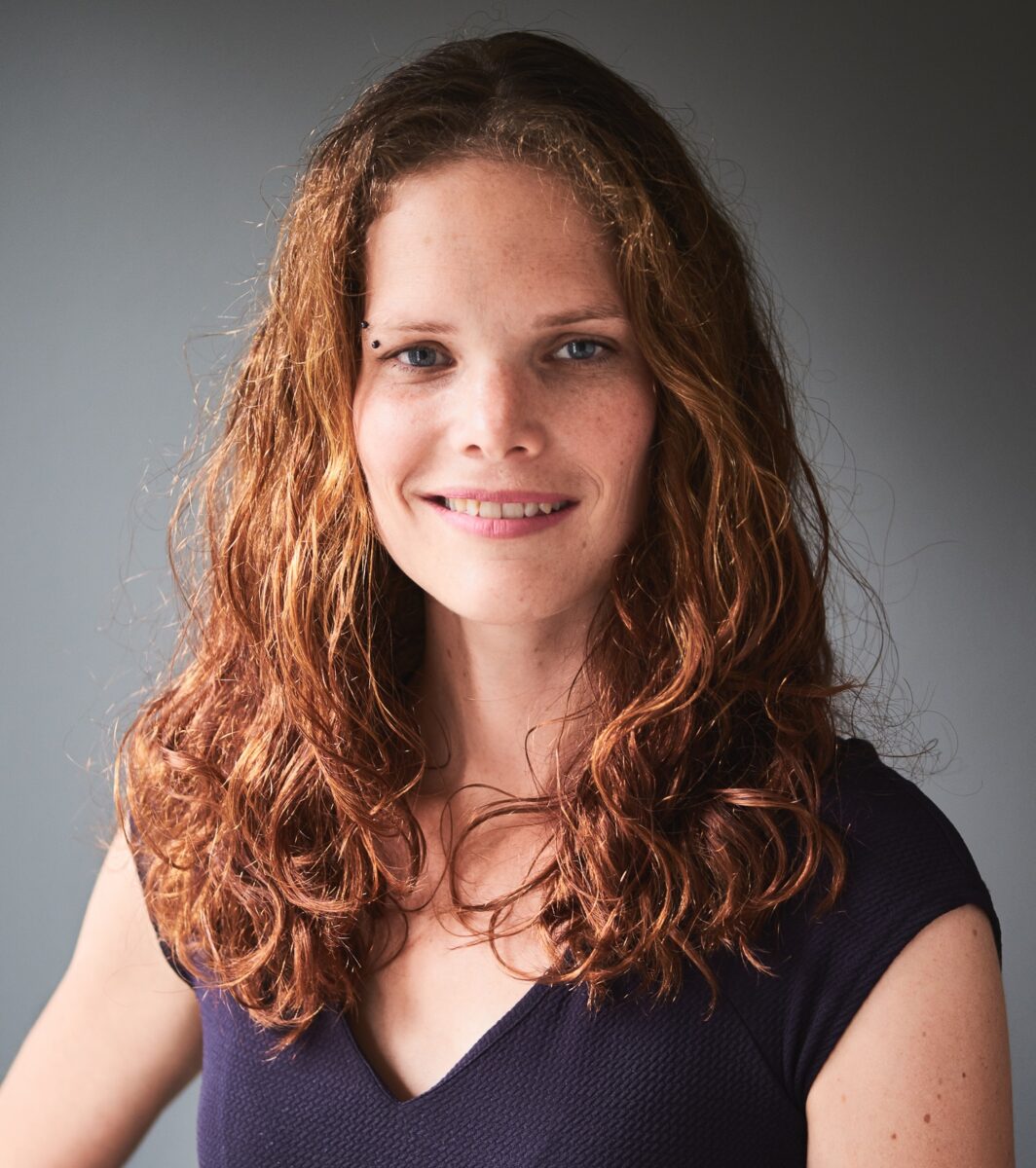
Dr Judith van de Kamp is a medical anthropologist and associate professor of Global Health Education at UMC Utrecht. Her research in Ghana and Cameroon focused on power relations and privilege within international healthcare practices. In her current work, she translates these insights into teaching health professionals at the Faculty of Medical Sciences and University College Utrecht. Key themes in her teaching are health inequalities, power dynamics and epistemic injustice. She is also involved in strengthening education for health professionals through collaborations with medical faculties and hospitals in Malawi, Suriname, Ghana and Gambia.
Last year's edition
In 2025, KCGH and UMC Utrecht organised the first edition of the symposium on the colonial past of Dutch medical (knowledge) institutions. Take a look at this page to know more.
Accreditation
Accreditation for this symposium is being applied for.
Registration
Participation in this symposium is free of charge.
As a member of the Netherlands’ Society for Global Health (NSGH), you will receive a standard 20% discount on activities From NSGH, KCGH and OIGT. Not yet a member? Become a member and make use of this advantage.
Followed by Film & Dialogue
After the symposium, we will organise a Film & Dialogue evening with the screening of Fanon (2024), followed by a dialogue on psychiatry, colonialism and mental health. This biographical film focuses on the life and work of Frantz Fanon - psychiatrist, writer and anti-colonial thinker. The film and the follow-up discussion will build on the themes of the symposium and provide space to discuss them further together.
 Dutch
Dutch English