Dit evenement is volgeboekt en de wachtlijst is gesloten. Het symposium is wel via een livestream te volgen. Via de knop ‘Aanmelden’ kunt u zich aanmelden voor de online deelname en ontvangt u een aantal dagen van tevoren een link naar de livestream.
Na het symposium organiseren wij een Film & Dialoog avond met de vertoning van Fanon (2024), gevolgd door een dialoog over psychiatrie, kolonialisme en mentale gezondheid.
De Universiteit Utrecht is zich de afgelopen jaren steeds meer bewust geworden van het feit dat het koloniale verleden van Nederland mogelijk nog steeds van invloed is op de huidige wetenschappelijke kennisproductie. Om die reden hebben verschillende faculteiten besloten hun mogelijke bijdrage aan koloniaal onderzoek en beleid te onderzoeken. Aan het UMC Utrecht is een onderzoeksproject gestart naar de rol van de Medische Faculteit Utrecht in het koloniale verleden en de mogelijke implicaties daarvan voor de moderne geneeskunde en de wereldwijde gezondheidszorg.
Op 13 april wordt een symposium georganiseerd over de centrale vraag wat er moet gebeuren ‘na de komma’ (aldus premier Mark Rutte, naar aanleiding van zijn excuses namens de Nederlandse regering). Mocht het bestuur van de Medische Faculteit besluiten excuses aan te bieden voor wat hun voorgangers hebben gedaan, welke verdere stappen zijn dan nodig? Dit symposium brengt onderzoekers, historici en andere experts samen om te reflecteren op de feiten en maatregelen te overwegen om wetenschap en rechtvaardigheid te herstellen.
Programma
| 9:30 | Welkom | |
| 10:00 | Imbalanced history as useful history | Dr. Frank Gerits |
| 10:50 | The health effects of slavery: On the impact of the Transatlantic slave trade and slavery on the health of descendants and health care | Dr. Alana Helberg-Proctor |
| 11:40 | Health aspects of indentured labor migration and the impact of colonialism on the descendants of indentured laborers | Dr. Maurits Hassankhan |
| 12:25 | Lunch | |
| 13:25 | Object and Subject: Colonial medical collection and colonial epistemes | em. Prof. Dr. Susan Legêne |
| 14:15 | Entangled histories: Utrecht Medical Faculty and global colonial networks | Dr. Gani Jaelani |
| 15:00 | Pauze | |
| 15:30 | Teaching the colonial past: Cultivating historical consciousness in health professions education | Dr. Judith van de Kamp |
| 16:20 | Panel discussie | |
| 17:00 | Afsluiting |
Presentaties
Imbalanced history as useful history
Dr. Frank Gerits, Utrecht University
Research on the colonial past is often characterised by a call for balance and by the idea that both the positive and negative aspects of that past should be highlighted. In the colonial context, for example, there was racism, but healthcare was also provided.
Such historiography, although understandable, appears problematic from a historian’s perspective, because it often fails to explain the how and why of that past. Balance approaches tend to be one-sided and overlook the broader contexts in which people lived; they contain anachronistic elements; they underestimate the fundamental role of ideology in people’s lives; and they are not grounded in critical historical analysis.
In my presentation, I will address these four problems of the balance approach and explain why a meaningful history of the colonial past is not about finding the right balance, but about providing meaningful explanations of that past.
The health effects of slavery: On the impact of the Transatlantic slave trade and slavery on the health of descendants and healthcare
Dr. Alana Helberg-Proctor, PhD, MScPH, Universiteit van Amsterdam
In recent years, there has been growing attention in the Netherlands to how the colonial era and the history of slavery continue to shape our present-day society. The Dutch Ministry of Health, Welfare and Sport commissioned a study specifically examining the legacy of Dutch transatlantic slavery on the health of descendants of enslaved people.
The University of Amsterdam conducted a literature review and consulted around thirty experts from Dutch academia, the healthcare sector, and civil society. The study shows that descendants are, in a sense, “doubly burdened”: they carry experiences and effects inherited from ancestors who lived through slavery, while also often facing racism and discrimination in contemporary Dutch society.
Health aspects of indentured labor migration and the impact of colonialism on the descendants of indentured laborers
Dr. Maurits Hassankhan, Anton de Kom Universiteit / Nationaal Instituut voor Geschiedenis en Cultuur
When indentured labor was introduced, expectations were quite high among the plantation owners and colonial governments at the one hand, and among the workers at the other hand. The goal for the colonial authorities and the planters was to save the plantations for destruction after the abolition of slavery. Although the emancipated slaves were forced to continue working for their former owners or employers for years to come. Despite this the production declined. British authorities and entrepreneurs initially faced a dilemma: Was it appropriate to introduce indentured labor within the free market economy system in which workers would be bound by a contract to work for an employer for an extended period.
Economic factors led to the introduction of indentured labor, despite protests from the Anti-Slavery society, because the production of sugar and other export products declined, which meant a loss of capital for the planters and society in the metropolitan countries. After a period of experimentation, the decision was made to continue with indentured labor because the results were positive and regulations were introduced to minimize abuses.
In my presentation, I will provide an impression of the living and working conditions of the indentured laborers, focusing on whether and to what extent the migration of indentured laborers was beneficial for them and their descendants. Health aspects will also be addressed.
Questions that arise include:
Were they generally better off or worse off in their new situation as indentured laborers? How was their material and immaterial well-being? What was their mental and physical health like? How did they experience the separation from the loved ones they had left behind?
I will end my presentation with a recommendation the Netherlands has a moral obligation to help address certain contemporary problems, that belong to the consequences of the colonial past of the Netherlands.
For this we need collaboration between institutes, organizations and individual actors on both sides of the ocean, because we not only have a common past, but also a shared future.
Object and Subject: Colonial medical collections and colonial epistemes
em. Prof. Dr. Susan Legêne, Em. hoogleraar politieke geschiedenis, Vrije Universiteit Amsterdam, lid managementteam Pressing Matter
This contribution starts from experiences within the programme Pressing Matter (2020-2025), initiated by Wayne Modest and the World Museum and funded by the National Science Agenda (NWA). Pressing Matter focused on collections in the Netherlands acquired in colonial contexts. This was possible thanks to the project’s firm embedding within four universities, the NIOD Institute for War, Holocaust and Genocide Studies, eight museums – including the university museums in Groningen and Utrecht and Museum Vrolik – and social initiatives such as Framer Framed, Imagine IC and artist interventions in the museums involved. In this lecture, Legêne will elaborate on the concept of ‘colonial epistemology’ and the research methods that have emerged from colonial social contexts, such as prisons, hospitals, expeditionary studies and administrative practices. What do these contexts tell us about the distinction between (colonial) subjects and (cultural) objects? And what challenges do university museums and medical historians face in addressing these distinctions?
Entangled histories: Utrecht Medical Faculty and global colonial networks
Dr. Gani Jaelani, UMC Utrecht
In this presentation, I will situate the Utrecht Medical Faculty—both as an institution and through the individuals connected to it—within the broader context of global colonialism. As an institution, it never operated in isolation; it was always entangled with other colonial structures. The same applies to the individuals linked to it. Students trained in Utrecht often built their careers elsewhere in the empire, while professors appointed in Utrecht frequently brought with them training and experience from other colonial or metropolitan institutions. In both cases, the development of Utrecht’s involvement in colonial medicine can only be understood through these wider institutional connections. By emphasizing this, I argue that the Utrecht Medical Faculty’s role must be seen as part of a larger web of colonial entanglements that linked multiple institutions across the empire.
Teaching the colonial past: Cultivating historical consciousness in health professions education
Dr. Judith van de Kamp
In this session, we explore the role that higher education institutions (HEIs) can play in responding to their colonial past “after the comma,” particularly through education. As research increasingly uncovers the historical entanglements of medical institutions with colonialism and slavery, an important question arises: how can these insights be translated into meaningful educational practice?
The session addresses the need to move beyond the transmission of historical knowledge. How can we help students develop historical consciousness and recognise how historically shaped power relations continue to influence healthcare interactions today? The session discusses didactic principles for developing such education, shares emerging initiatives at the University Medical Center Utrecht, and invites participants to exchange ideas on how education can contribute to addressing colonial legacies in healthcare.
Sprekers
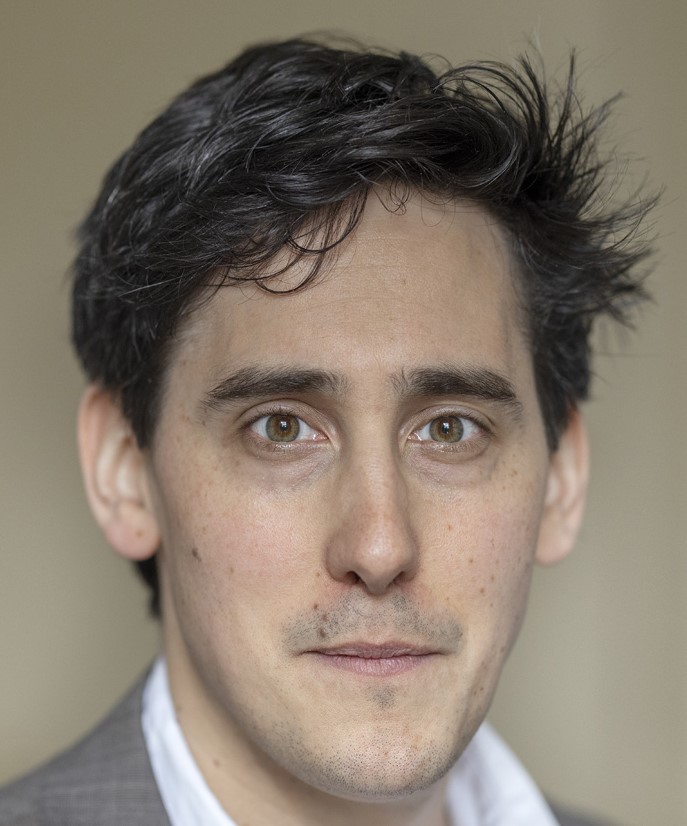
Dr. Frank Gerits is universitair docent Internationale Geschiedenis aan de Universiteit Utrecht en Research Fellow bij de International Studies Group aan de University of the Free State in Bloemfontein, Zuid-Afrika. Hij promoveerde in 2014 aan het Europees Universitair Instituut en bekleedde vervolgens posities bij New York University, de University of the Free State en de Universiteit van Amsterdam. Zijn eerste boek, The Ideological Scramble for Africa: How the Pursuit of Anticolonial Modernity shaped a Postcolonial Order, 1945-1966, werd in 2023 gepubliceerd. Momenteel werkt hij aan een nieuwe monografie getiteld Climate Change: An International Political History en aan een project dat wordt gefinancierd door de Nederlandse Organisatie voor Wetenschappelijk Onderzoek (NWO), getiteld Moral Empire: Belgium and the Global South (1830-2022).
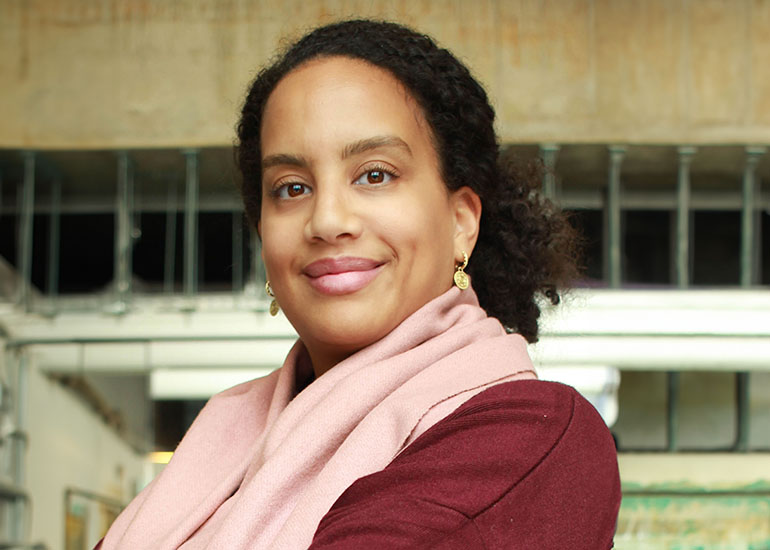
Dr. Alana Helberg-Proctor is interdisciplinair sociaal wetenschapper en universitair docent antropologie aan de Universiteit van Amsterdam. Haar onderzoek richt zich op diversiteit en (on)gelijkheid in de hedendaagse en historische gezondheidszorg en medische wetenschap, met specifieke aandacht voor ‘ras’ en ‘etniciteit’ in biomedisch onderzoek, beleid en zorg in Nederland en Europa. In 2025 deed zij onderzoek voor het ministerie van VWS naar de doorwerking van het trans-Atlantisch koloniaal verleden en slavernij in de gezondheid van nazaten en het Nederlandse zorgstelsel. Daarnaast is zij betrokken bij het KMK-consortium dat de koloniale geschiedenis van de KNAW onderzoekt.
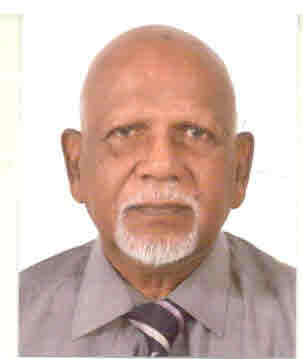
Dr. Maurits Hassankhan is historicus en voormalig universitair docent aan de Anton de Kom University of Suriname. Als kleinzoon van Indiase contractarbeiders groeide hij op in een landbouwersfamilie in een landelijk gebied ten zuiden van Paramaribo. Hij studeerde geschiedenis aan de University of Groningen en keerde kort voor de onafhankelijkheid van Suriname in 1975 terug naar zijn geboorteland. Zijn onderzoek richt zich onder meer op de geschiedenis van Suriname, contractarbeid, etnische verhoudingen en democratie in multi-etnische samenlevingen. Naast zijn academische loopbaan vervulde hij verschillende publieke functies, waaronder lid van het Surinaamse parlement en minister van Binnenlandse Zaken. Momenteel is hij verbonden aan de Anton de Kom Universiteit en directeur van het National Institute for History and Culture.
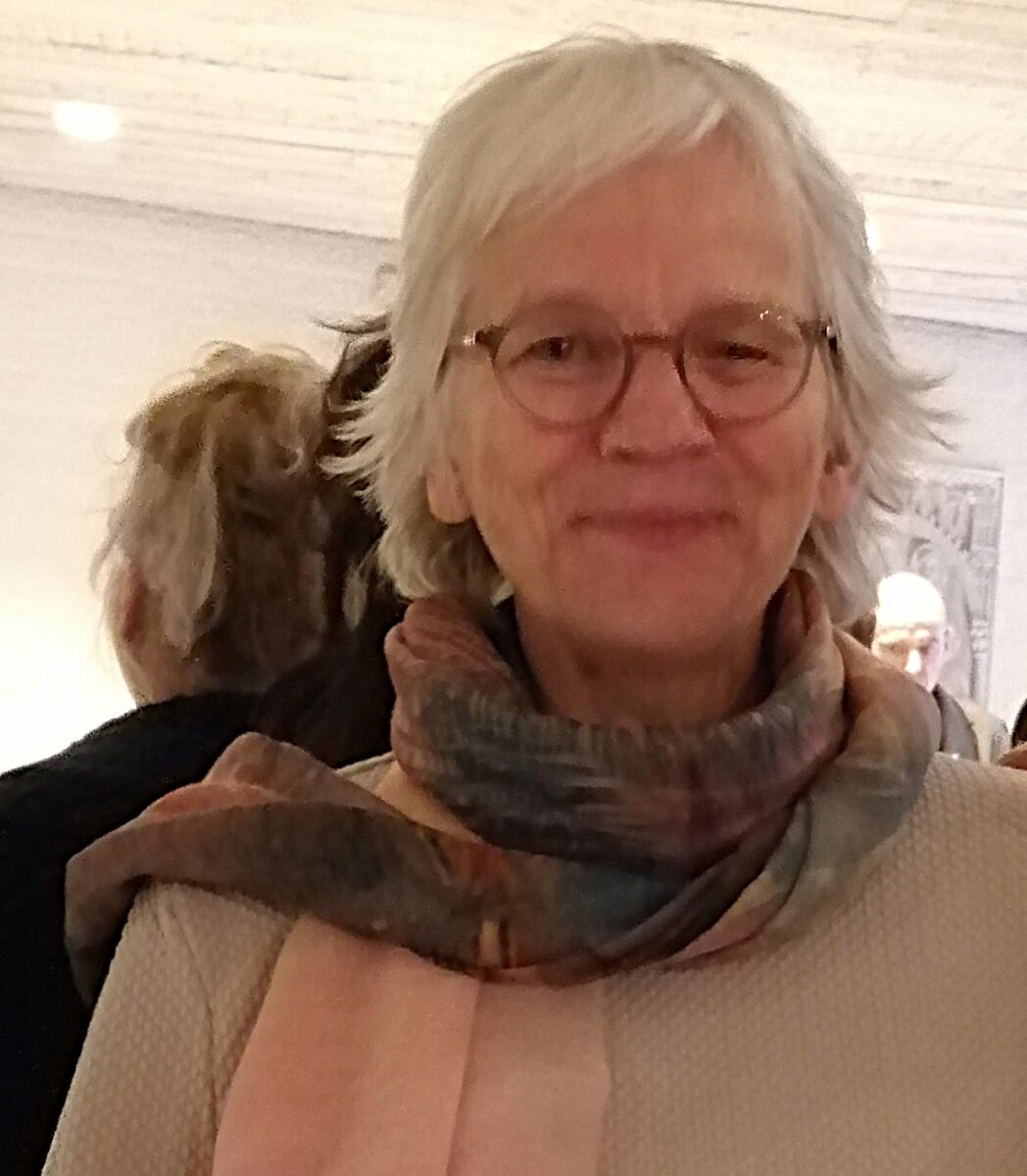
em. Prof. Dr. Susan Legêne is emeritus hoogleraar Politieke Geschiedenis aan de Vrije Universiteit Amsterdam. Zij was lid van het managementteam van Pressing Matter: Ownership, Value and the Question of Colonial Heritage in Museums (2021–2025), gefinancierd door de Nationale Wetenschapsagenda. Haar belangrijkste focus ligt op de geschiedenis van het Europese kolonialisme, dekolonisatie en mechanismen van in- en uitsluiting binnen het Europese burgerschap. In haar afscheidsrede aan de Vrije Universiteit Amsterdam (20 februari 2026), (No) Peace with the Past – Politics of History Today, betoogt zij dat het verleden geen toevluchtsoord, schuilplaats of troost is, maar een diepe en rijke hedendaagse bron voor dialoog en besluitvorming.
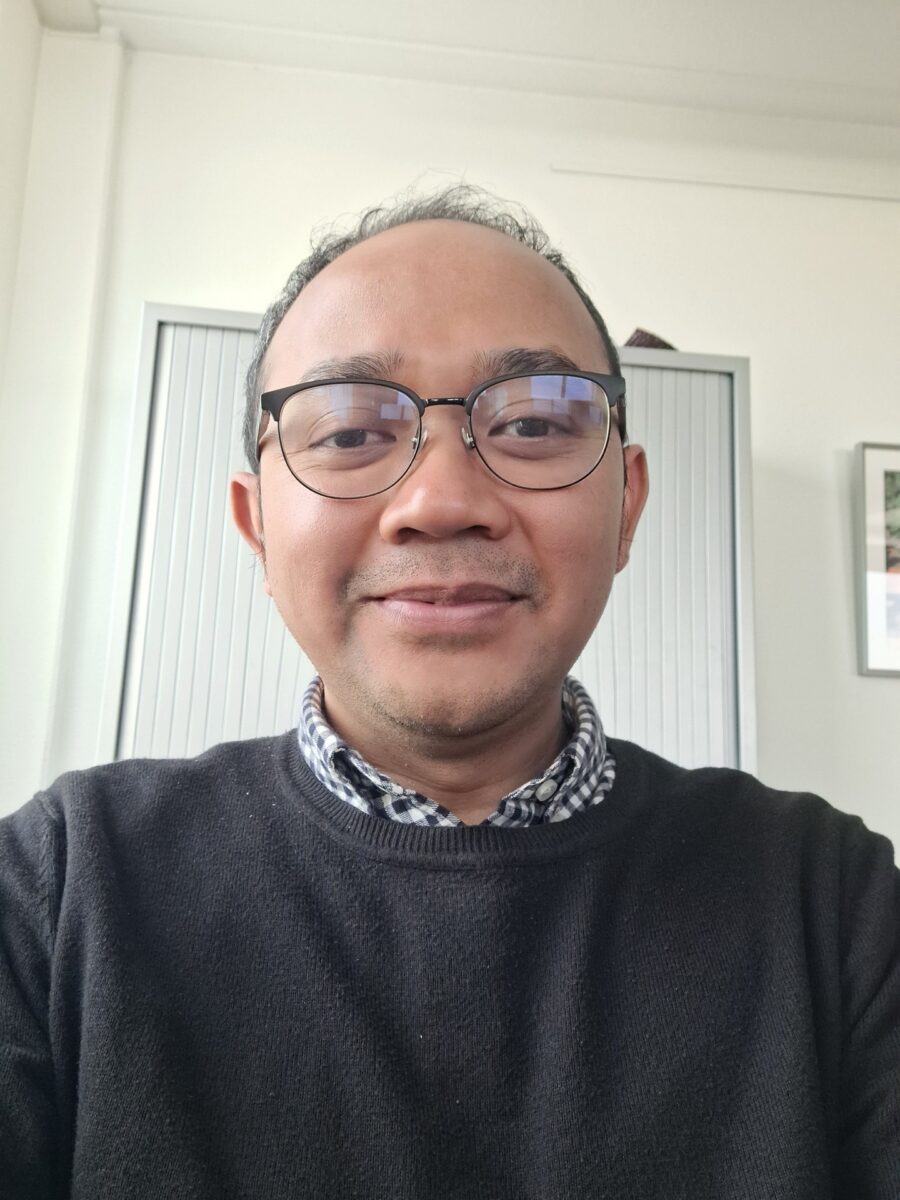
Dr. Gani Jaelani is historicus, gespecialiseerd in de koloniale geneeskunde en wetenschap van de negentiende en twintigste eeuw. Hij is universitair docent aan het Departement Geschiedenis en Filologie van de Universitas Padjadjaran in Indonesië. Momenteel werkt hij als postdoctoraal onderzoeker bij UMC Utrecht, waar hij onderzoek doet naar de erfenis van de Utrechtse medische faculteit in de Nederlandse koloniën.
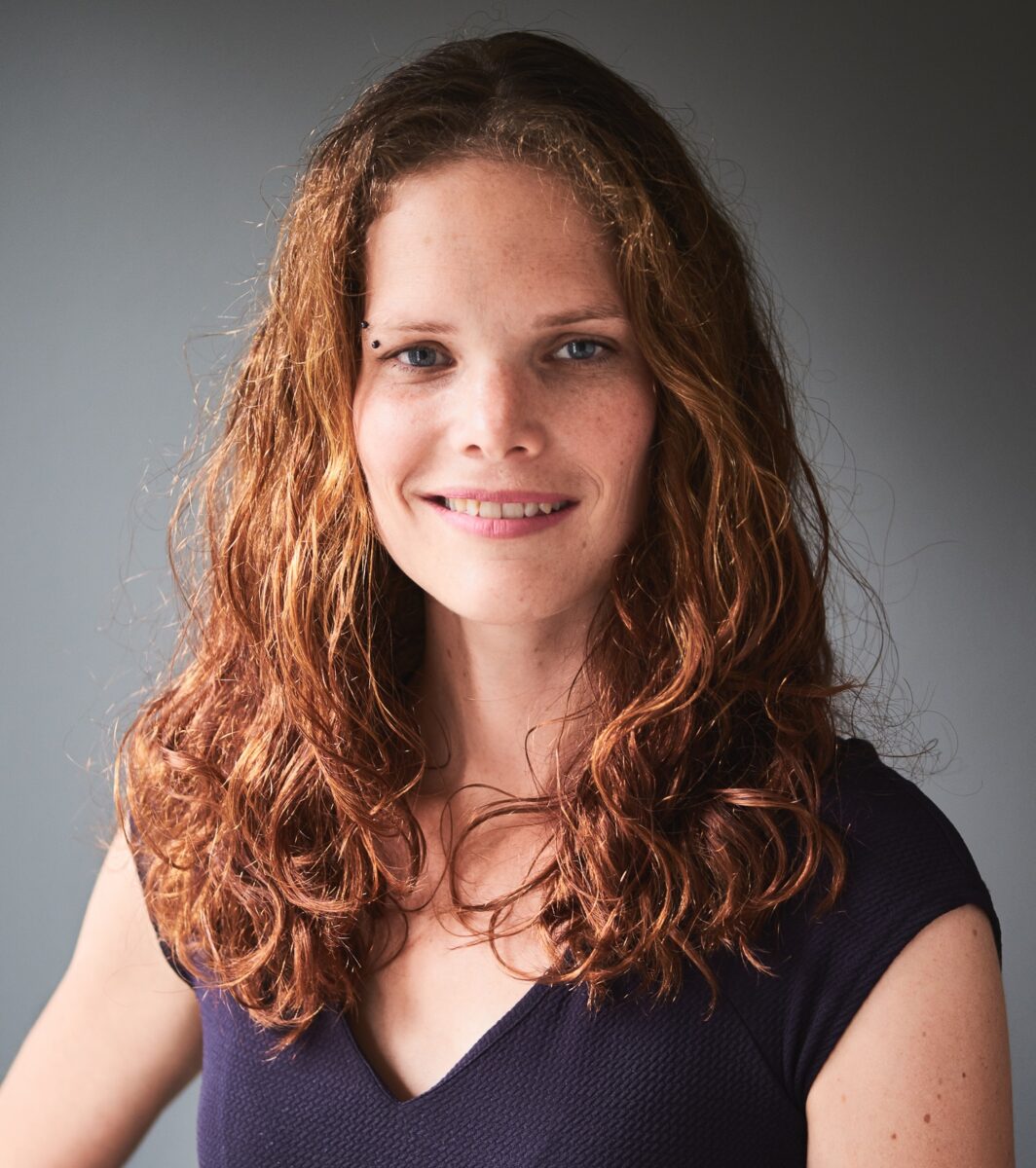
Dr. Judith van de Kamp is medisch antropoloog en universitair docent Global Health Education bij UMC Utrecht. Haar onderzoek in Ghana en Kameroen richtte zich op machtsverhoudingen en privilege binnen internationale gezondheidszorgpraktijken. In haar huidige werk vertaalt zij deze inzichten naar het onderwijs voor gezondheidsprofessionals aan de Faculteit Medische Wetenschappen en University College Utrecht. Belangrijke thema’s in haar onderwijs zijn gezondheidsongelijkheid, machtsdynamieken en epistemische onrechtvaardigheid. Daarnaast is zij betrokken bij het versterken van opleidingen voor gezondheidsprofessionals via samenwerkingen met medische faculteiten en ziekenhuizen in Malawi, Suriname, Ghana en Gambia.
Editie vorig jaar
In 2025 organiseerden KCGH en UMC Utrecht de eerste editie van het symposium over het koloniale verleden van Nederlandse medische (kennis)instellingen. Neem een kijkje op deze pagina om meer te weten.
Accreditatie
Accreditatie voor dit symposium wordt aangevraagd.
Registratie
Deelname aan dit symposium is gratis.
Als lid van de Netherlands’ Society for Global Health (NSGH) ontvang je standaard 20% korting op activiteiten van NSGH, KCGH en OIGT. Nog geen lid? Word lid en maak gebruik van dit voordeel.
Aansluitend Film & Dialoog
Na het symposium organiseren wij een Film & Dialoog avond met de vertoning van Fanon (2024), gevolgd door een dialoog over psychiatrie, kolonialisme en mentale gezondheid. In deze biografische film staan het leven en werk van Frantz Fanon centraal – psychiater, schrijver en antikoloniaal denker. De film en het nagesprek bouwen voort op de thema’s van het symposium en bieden ruimte om daar samen verder over in gesprek te gaan.
 Dutch
Dutch English